
About Fascial Counterstrain
Fascial Counterstrain is an innovative system of soft tissue manipulation developed by Brian Tuckey PT, OCS, JSCCI a student of the famous osteopathic physician, Lawrence Jones D.O. Mr. Tuckey is one of only 4 physical therapists ever to be certified by Dr. Jones to teach his world renowned “Strain and Counterstrain” technique. FCS as a treatment methodology, is an expanded and updated form of “Jones Counterstrain” that is designed to identify and correct dysfunction in all of the body’s systems including the vascular, visceral, nervous and musculoskeletal systems. The development of FCS expanded the number of treatments in the Counterstrain curriculum from approximately 200 to over 900 techniques. This multi-system, non-force, and pain free approach is unique in the world of manipulation.
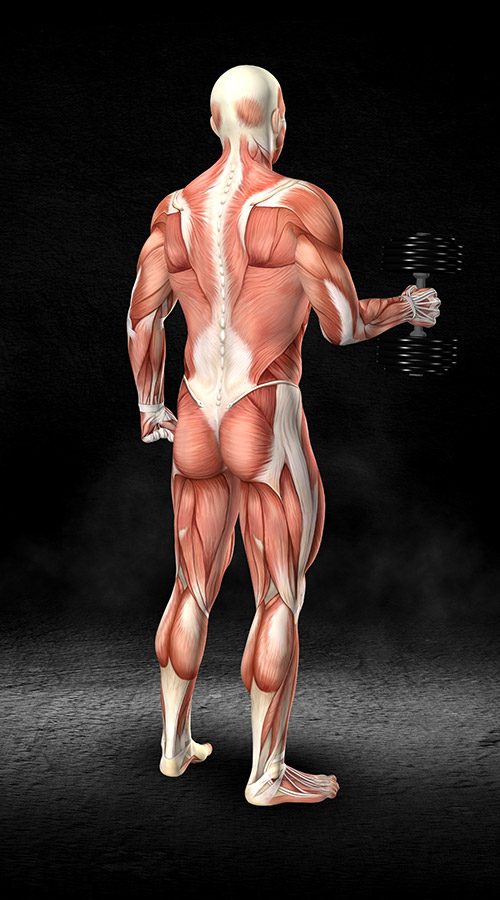
How Fascial Counterstrain Identifies the Root Cause of Dysfunction
Fascial Counterstrain or FCS for short, utilizes diagnostic tender points to identify reflexive muscle guarding in the body. Reflex muscle contractions occur in skeletal muscle, smooth muscle or in the body’s deep fascia structures due to a variety of reasons including trauma, surgery, postural strain, repetitive motion, even in response to an inflammatory diet. This form of reflex muscular tightness, once present, can contribute to a multitude of symptoms and conditions. Some examples include, but are not limited to: acute/chronic musculoskeletal pain in ALL regions of the body, chronic edema, weakness, digestive dysfunction, neuropathies, migraine/non migraine headaches, tachycardia, CRPS, peripheral arterial disease, balance disorders, seizures, tinnitus, post-concussion syndrome and even widespread conditions like fibromyalgia.
The Therapeutic Effects of Fascial Counterstrain
FCS alleviates chronic fascia and muscle tension from the body via a gentle, hands-on process, which patients frequently describe as “fascinating” or “magic.” FCS treatments are completely painless, making it a viable option for even the most painful and or fragile cases. It is believed that Counterstrain’s powerful, multi-system effects are due to the deactivation of the body’s deep fascial pain receptors which trap inflammation in the inter-cell or interstitial tissue space (1,2). During treatments, there is a palpable, often visible reduction in localized tissue edema which helps alleviate the chemical component of chronic soft tissue dysfunction (3). The combination of inflammation drainage and pain receptor “Deactivation” gives FCS unparalleled effect and carry over. Many patients report lasting relief of chronic conditions after only one to
three treatment sessions.
FCS embraces the concepts of holistic and osteopathic medicine in that it addresses the body as a whole not just the surface musculoskeletal presentation. By normalizing muscular tension, vascular drainage, blood flow, and neural input, the technique maximizes the body’s intrinsic ability to heal. Multi-system diagnosis and manipulation is the key to correcting chronic health conditions. This treatment model allows practitioners to identify and correct source of the source of the condition and not just treat the surface symptoms.
Clinical Training and Research Supporting Fascial Counterstrain
Fascial Counterstrain (FCS) is currently being taught to a rapidly expanding audience of medical practitioners in the United States through the Jones Institute www.jicounterstrain.com. , and internationally through the various partners. You can read more about the technique on this website or on www.counterstrain.com. Current course offerings include: Introduction to Fascial Counterstrain, Fascial Counterstrain for the Viscera, Fascial Counterstrain for the Venous/Lymphatic system, Fascial Counterstrain for the Arterial system, Fascial Counterstrain for the Nervous system, parts 1, 2 and Fascial Counterstrain for the Musculoskeletal System, parts 1-3.
- Paolo Tozzi, MSc Ost, DO, PT, A unifying
neuro-fasciagenic model of somatic dysfunction –
Underlying mechanisms and treatment – Part I, JBWMT,
April 2015, Volume 19, Issue 2, Pages 310–326 - Petros C. Benias1,2, Rebecca G. Wells3,4, Bridget
Sackey-Aboagye3, Heather Klavan1, Jason Reidy5,
Darren Buonocore5, Markus Miranda1, Susan
Kornacki6, Michael Wayne7, David L. Carr-Locke.
Structure and Distribution of an Unrecognized
Interstitium in Human Tissues 1,8 & Neil D. Theise1,5,6
Scientific Reports, March 2018 - Jay P Shah MD, E Gilliams, BA: Uncovering the
Biochemical milieu of myofascial trigger points using in
vivo microdialysis: An application of muscle pain
concepts to myofascial pain syndrome. Journal of body
work and movement therapies (2008) 12, 371-384